
Unwell women
We are taught that medicine is the art of solving our body's mysteries. As a science, we expect medicine to uphold the principles of evidence and impartiality. We want our doctors to listen to us and care for us as people, but we also need their assessments of our pain and fevers, aches and exhaustion to be free of any prejudice about who we are, our gender, or the color of our skin. However, medicine carries the burden of its own troubling history. The history of medicine and illness is a history of people, their bodies, and their lives, not just physicians, surgeons, clinicians, and researchers. Medical progress has always reflected the realities of a changing world and the meanings of being human.
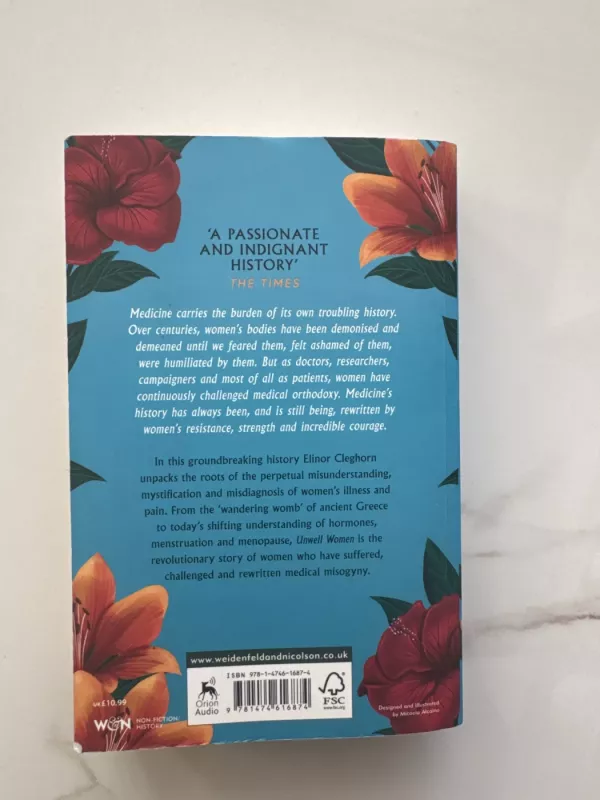
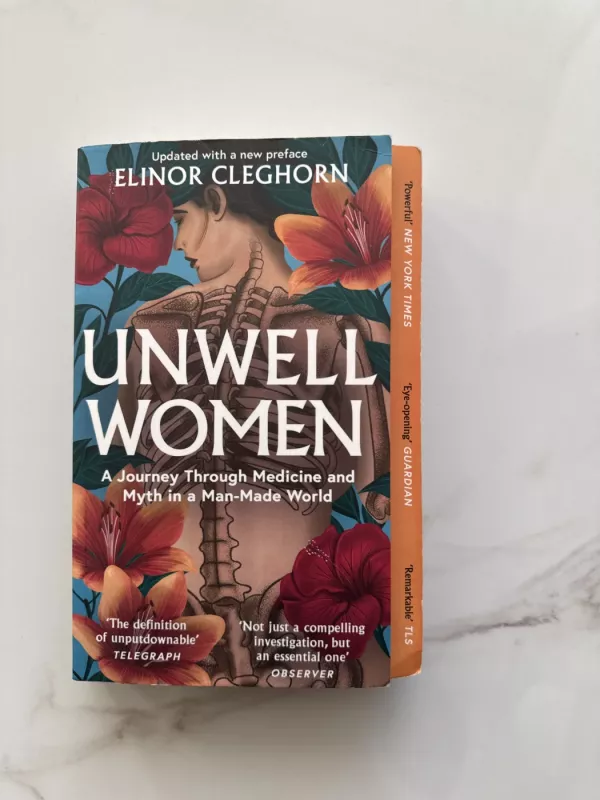
In "Unwell Women," Elinor Cleghorn unpacks the roots of the perpetual misunderstanding, mystification, and misdiagnosis of women's bodies. She traces the journey from the "wandering womb" of ancient Greece, the rise of witch trials in Medieval Europe, through the dawn of hysteria, to modern-day understandings of autoimmune diseases, menopause, and conditions like endometriosis. Packed with character studies of women who have suffered, challenged, and rewritten medical orthodoxy—and drawing on her own experience of undiagnosed lupus disease—this is a groundbreaking and timely exposé of the medical world and women's place within it.
Kitos pardavėjo prekės
Žiūrėti visas (24)